First Star Font: Adding Celestial Shine to Your Designs
There are times when a project demands more than just text; it requires a visual spectacle. If you have ever struggled to find a typeface that captures the energy of a celebration or the magic of a night sky, you might be overlooking a powerful design asset. First Star is a premium font designed specifically for moments when standard typography falls flat. It is not merely a collection of letters; it is a decorative element that brings a distinct personality to any layout.
Visual Characteristics and Unique Style
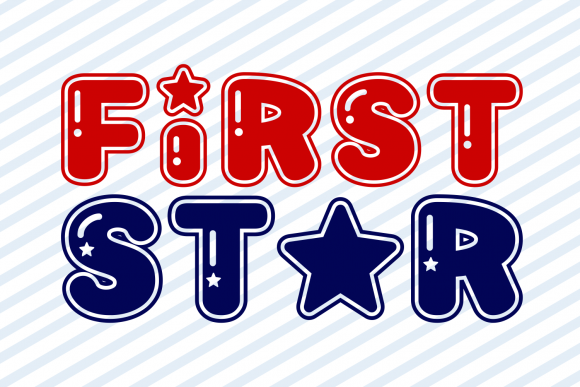
At its core, First Star is a bubble font with a playful, inflated aesthetic. The letterforms are rounded and soft, giving the typeface a friendly and approachable vibe. However, what sets this typeface apart from other rounded fonts is its intricate detailing. Each character is adorned with starry details, transforming the text into a constellation of shapes. This makes it an ideal choice for designs that need to "shine bright like stars," as the texture is built directly into the glyphs.
Another defining feature of First Star is the thin border that outlines each character. This outline creates a sense of depth and separation, ensuring that the text stands out against complex backgrounds. The contrast between the soft, bubble-like interior and the crisp, thin border allows the font to pop visually without requiring heavy drop shadows or external effects. It is a creative font that balances whimsy with structure, making it versatile enough for various design assets while maintaining a consistent, high-energy style.
Practical Applications for Designers and Creators
Understanding where to use a display font like First Star is key to successful modern typography. Because of its detailed nature and bold presence, it is best suited for headlines, titles, and short bursts of text rather than long-form body copy. It functions similarly to a handwritten font or a script font in terms of hierarchy—meant to draw the eye immediately.
Branding and Logo Design
For entrepreneurs and small business owners, brand identity is everything. First Star works exceptionally well for brands that want to project a fun, energetic, or magical image. Consider using it for a children’s party planning service, a creative arts studio, or a festive bakery. In logo design, the font can serve as a standalone wordmark for a playful brand, provided the business name is short. The starry details make it memorable, aiding in brand recognition, but it is crucial to ensure the font aligns with the seriousness of your industry.
Digital and Print Projects
In the realm of digital content, First Star is a strong contender for social media graphics. Platforms like Instagram and TikTok favor bold, eye-catching visuals. Using this font for sale announcements, holiday greetings, or story headers can significantly increase engagement. It is also effective in web design for hero sections or call-to-action buttons where you want to inject personality.
For print, the applications are just as broad. Packaging design for toys, candy, or cosmetics can benefit from the bubble aesthetic. It is also a great addition to editorial design, particularly for magazine covers targeting younger demographics or lifestyle publications. Even personal projects, such as custom t-shirts, greeting cards, or scrapbooking, can be elevated by the festive nature of this typeface.
Technical Considerations and Best Practices
While First Star is visually striking, using a display font effectively requires some strategic thinking. As a designer or creator, you must evaluate the project fit and ensure the font enhances rather than clutters the message.
Readability and Visual Hierarchy
Readability is paramount. Because First Star is a creative font with high visual complexity, it is not suitable for paragraphs or small body text. The starry details and bubble shapes can become muddled at small sizes, reducing legibility. Instead, use it for large headlines where the details can be appreciated. For body text, pair it with a clean sans serif font or a traditional serif font. This contrast creates a clear visual hierarchy, allowing the display font to command attention while the secondary font conveys the detailed information.
Font Pairing Strategies
Successful font pairing relies on balance. Since First Star is bold, rounded, and textured, your secondary typeface should be simple and understated. A geometric sans serif works well to ground the whimsical nature of the star font. Alternatively, if you are going for a retro vibe, pairing it with a simple monospaced font can create an interesting tension. Always test your pairings in the context of your layout to ensure the professionalism of the design remains intact.
Licensing and Usage
Before incorporating First Star into your work, it is vital to review the licensing terms. If you are working on a commercial project—such as merchandise, client work, or paid digital products—you will likely need a commercial font license. Ensure that the license covers your specific use case, whether it is for print-on-demand services or digital distribution. Respecting licensing not only supports the font creators but also protects your business legally.
Conclusion
First Star is more than just a typeface; it is a design tool that brings joy and energy to creative projects. By utilizing its unique bubble style and starry details, you can create visuals that are truly unforgettable. Whether you are designing a logo, crafting social media content, or building a brand identity, this font offers a way to inject personality and shine into your work. Use it wisely, pair it carefully, and watch your designs light up.